1 sprint sent back, 1 retry loop, 1 art burst, 1 concierge debate, 1 spend spike and 1 scale readout

auto-assembled · drafted mechanically from this run's detected moments

Auto-assembled from the 6 sharpest detected moments of this run. 1 of 6 turned; the rest never did.

Or grab the whole reel as one image: composite.png · or as a looping animation: reel.webp
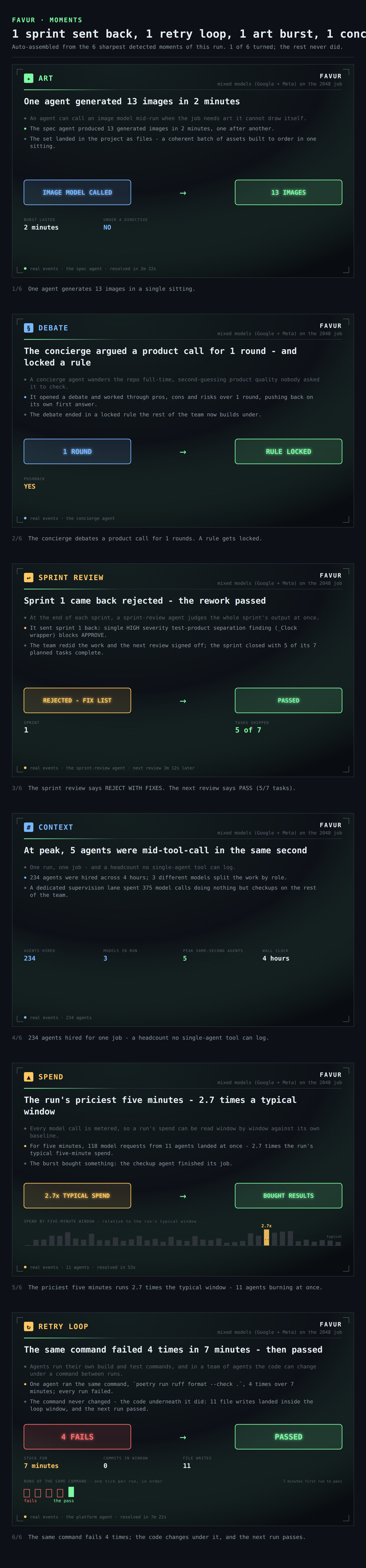
Animated reel: 1 sprint sent back, 1 retry loop, 1 art burst, 1 concierge debate, 1 spend spike and 1 scale readout. Auto-assembled from the 6 sharpest detected moments of this run. 1 of 6 turned; the rest never did. 6 moment cards with source code and transcript excerpts from the run telemetry.
The animated reel - the cards plus source code and transcript excerpts from the run telemetry. The full-size cards follow below.
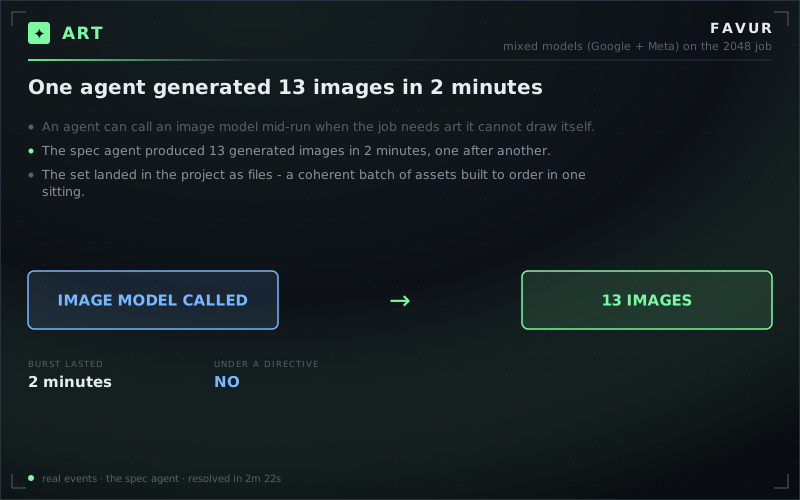
  1. One agent generated 13 images in 2 minutes. An agent can call an image model mid-run when the job needs art it cannot draw itself. The spec agent produced 13 generated images in 2 minutes, one after another. The set landed in the project as files - a coherent batch of assets built to order in one sitting.

    1/6 One agent generates 13 images in a single sitting.
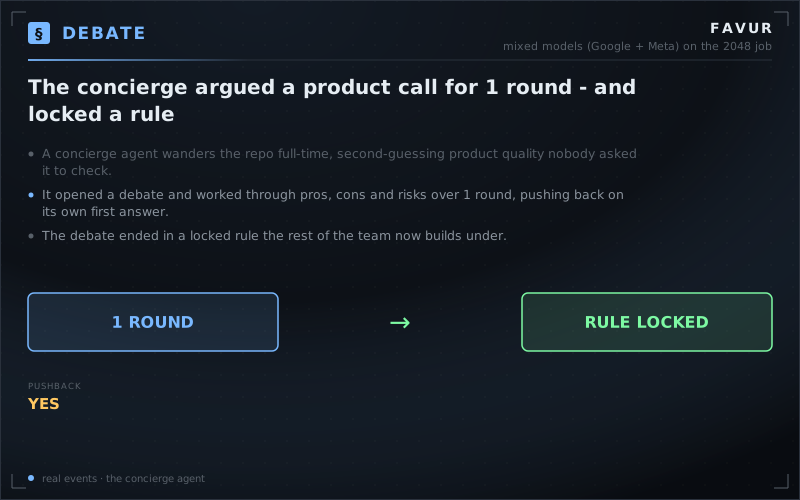
  2. The concierge argued a product call for 1 round - and locked a rule. A concierge agent wanders the repo full-time, second-guessing product quality nobody asked it to check. It opened a debate and worked through pros, cons and risks over 1 round, pushing back on its own first answer. The debate ended in a locked rule the rest of the team now builds under.

    2/6 The concierge debates a product call for 1 rounds. A rule gets locked.
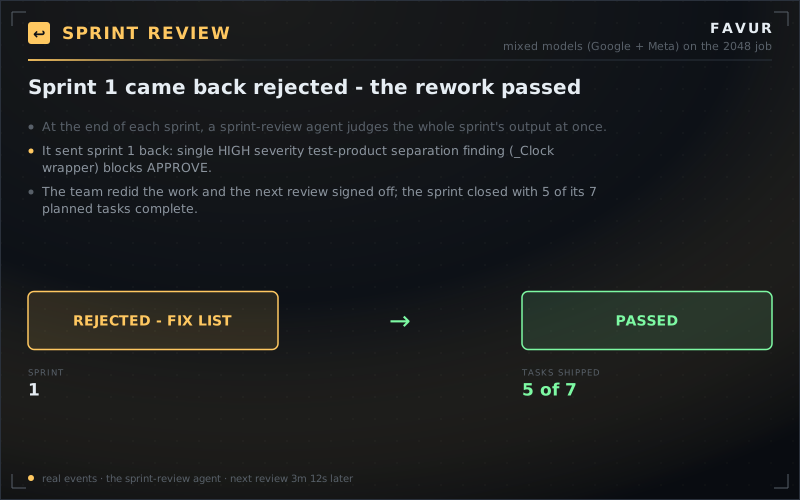
  3. Sprint 1 came back rejected - the rework passed. At the end of each sprint, a sprint-review agent judges the whole sprint's output at once. It sent sprint 1 back: single HIGH severity test-product separation finding (_Clock wrapper) blocks APPROVE. The team redid the work and the next review signed off; the sprint closed with 5 of its 7 planned tasks complete.

    3/6 The sprint review says REJECT WITH FIXES. The next review says PASS (5/7 tasks).
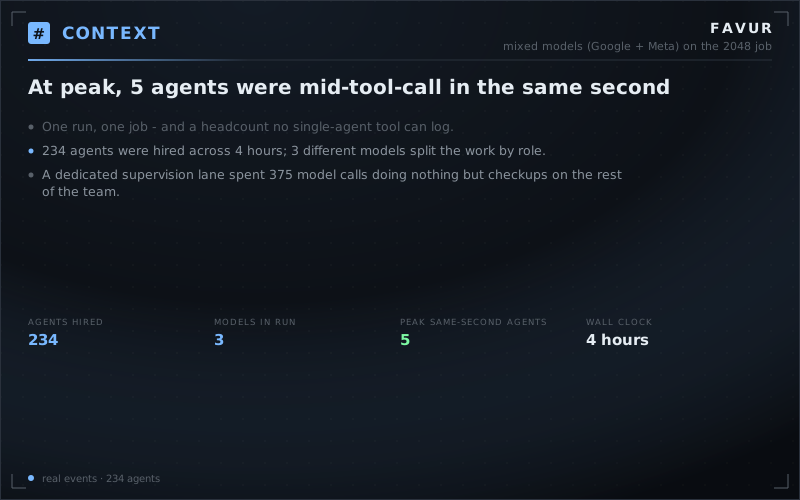
  4. At peak, 5 agents were mid-tool-call in the same second. One run, one job - and a headcount no single-agent tool can log. 234 agents were hired across 4 hours; 3 different models split the work by role. A dedicated supervision lane spent 375 model calls doing nothing but checkups on the rest of the team.
    4/6 234 agents hired for one job - a headcount no single-agent tool can log.

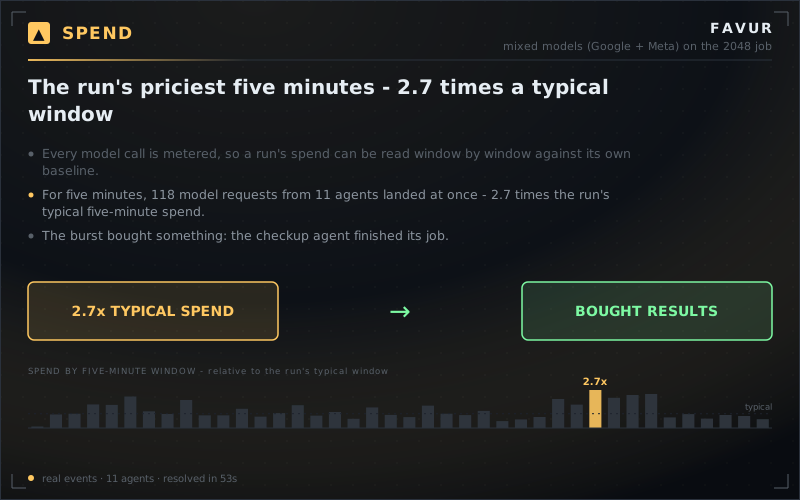
  5. The run's priciest five minutes - 2.7 times a typical window. Every model call is metered, so a run's spend can be read window by window against its own baseline. For five minutes, 118 model requests from 11 agents landed at once - 2.7 times the run's typical five-minute spend. The burst bought something: the checkup agent finished its job.

    5/6 The priciest five minutes runs 2.7 times the typical window - 11 agents burning at once.
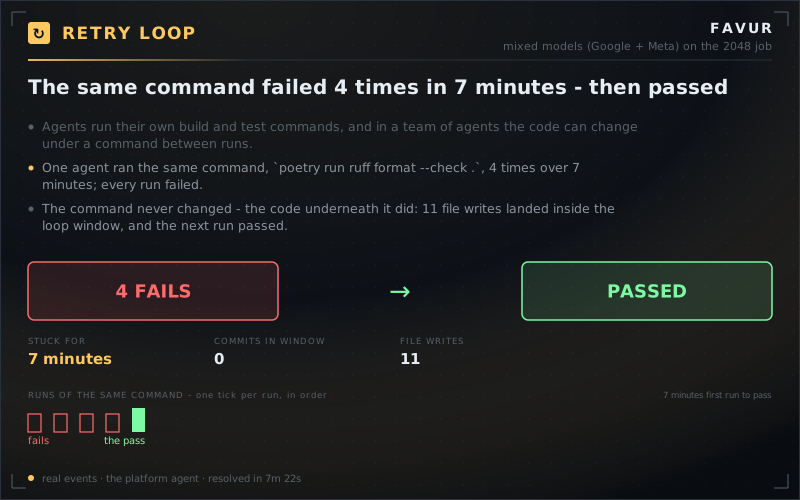
  6. The same command failed 4 times in 7 minutes - then passed. Agents run their own build and test commands, and in a team of agents the code can change under a command between runs. One agent ran the same command, `poetry run ruff format --check .`, 4 times over 7 minutes; every run failed. The command never changed - the code underneath it did: 11 file writes landed inside the loop window, and the next run passed.

    6/6 The same command fails 4 times; the code changes under it, and the next run passes.